Why book direct with us?

Tour Option Price List:
- Transportation with private car 04seats+English Speaking Tour Guide 85$.
- Transportation private car 04seats with Speaking English Driver only 45$.
- Tuk Tuk(Remork Motor)+ English Speaking Tour Guide 60$.
- Tuk Tuk(Remork Motor) with English Speaking Driver only 20$.
Tour Includes
- Speaking English Driver
- Cold Towel and Pure of Bottled Drinking Water
Tour Excludes
- Boat ticket
- Entry Tickets for Roluos Group uses with angkor wat pass (37$ p.p)
- English Speaking Tour Guide 40$US
- Meal
Important Notes
-Prices are per vehicle or guide, not per person
-Boat tickets are purchased at the pier and not included in vehicle price
-Tour duration: 5-7hours (full day)
- If you visit roluos Group need to use Angkor ticket Pass $37( Not include with Tour)
ADDITIONAL ACTIVITIES
Since you are in Siem Reap town, you shouldn’t miss:
(Recommended) An evening with Cambodia’s traditional Apsara dancing & Bokator Dinner shows with a set Menu at Kanell(open every night from 07pm to 09:30pm).
Angkor Restaurant and Show. Please inform us if you are interested. We can help you to make an advance booking: price 29$ P.P for Asian Fusion Set&36$ P.P for Asian Fusion Deluxe.
(Recommended) Cambodia’s best circus “Phare Poleu Selpak” is Siem Reap’s most unique, authentic top-rated (TripAdvisor & Lonely Planet) evening entertainment. 8:00 pm to 9:00 pm.
Seat A: Adult (age 12+) : US$38 / Children (age 5 – 11): $18 / Infants (age 4 and younger) no charge with no allocated seat.
Seat B: Adult (age 12+) : US$28 / Children (age 5 – 11): US$15 /Infants (age 4 and younger) no charge with no allocated seat.
Seat C: Adult (age 12+) : US$18 / Children (age 5 – 11): US$10 / Infants (age 4 and younger) no charge with no allocated seat. Please inform us if you are interested. We can help you to make an advance booking.
Contact us
Phone: +855 12 800 705
WhatsApp +855 70751166
Email: reservation@theblancresidence.com
PRIVATE TOUR TO ROLUOS GROUP AND KAMPONG PHLUK FLOATING VILLAGE (One Day tour exploration)


Tour Itinerary:
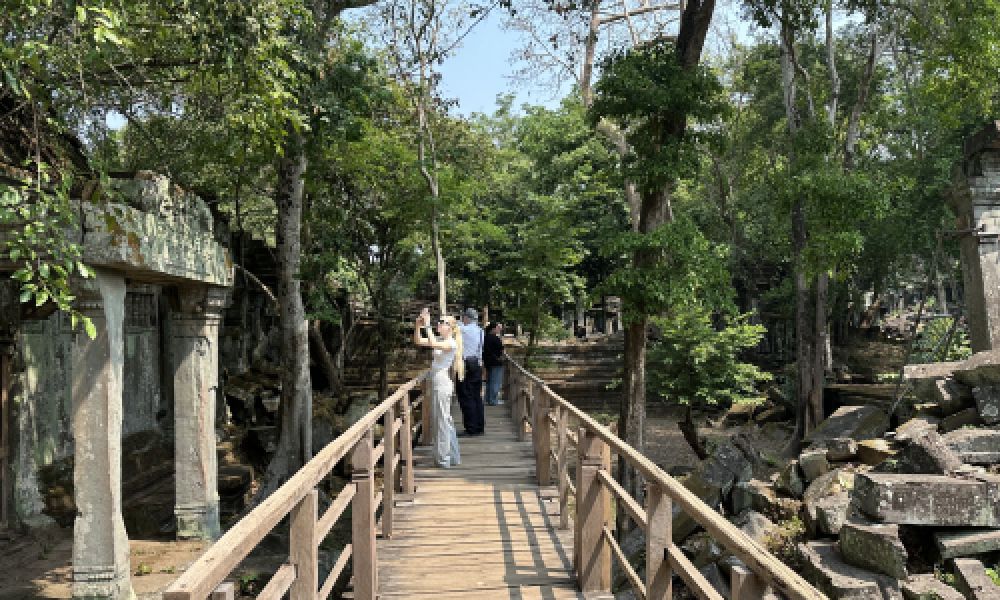
-Tour starts from 8:30am at The Blanc Residence to Roluos (Khmer: រលួស) is a Cambodian archeological site about 13 km east of Siem Reap along NH6. It was once the seat of Hariharalaya,the first capital of the Khmer Empire north of Tonlé Sap, although strictly speaking the first capital might have possibly been Indrapura, identifiable with Banteay Prey Nokor.
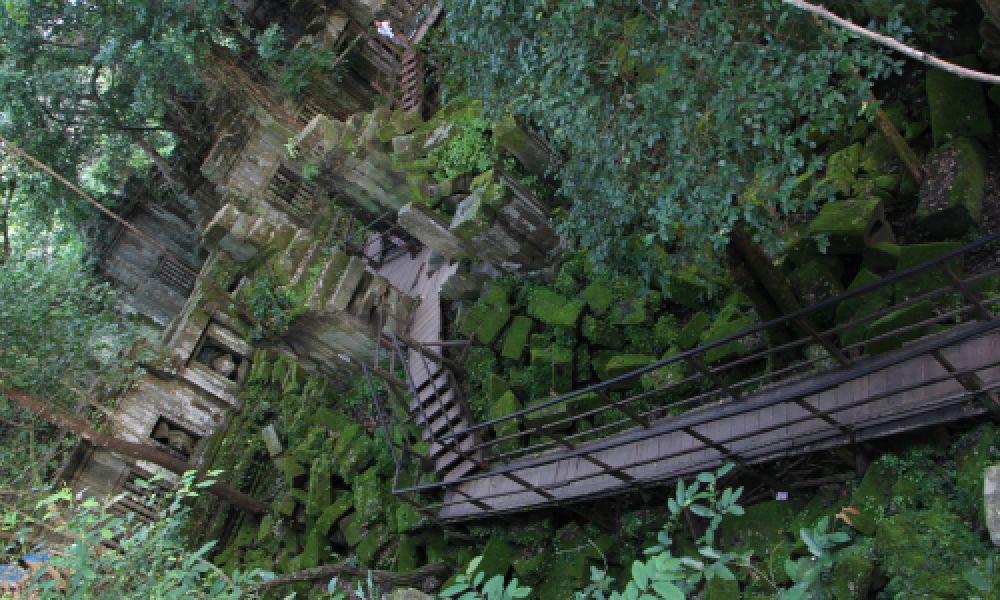
Among the Roluos group of temples there are some of the earliest permanent structures built by the Khmer polities. They mark the beginning of classical period of Khmer civilization, dating from the late 9th century. Some were totally built with bricks, others partially with laterite or sandstone, the first large Angkorian temple built with sandstone possibly being Ta Keo.
At present, the group is composed by three major temples: Bakong, Lolei, and Preah Ko, along with the smaller Prasat Prei Monti. At both Bakong and Lolei there are contemporary Theravada Buddhist monasteries.
There is a town named Roluos known as Phumi Roluos Chas, which is a khum (commune) of Svay Chek District in Banteay Meanchey Province, in north-western Cambodia.
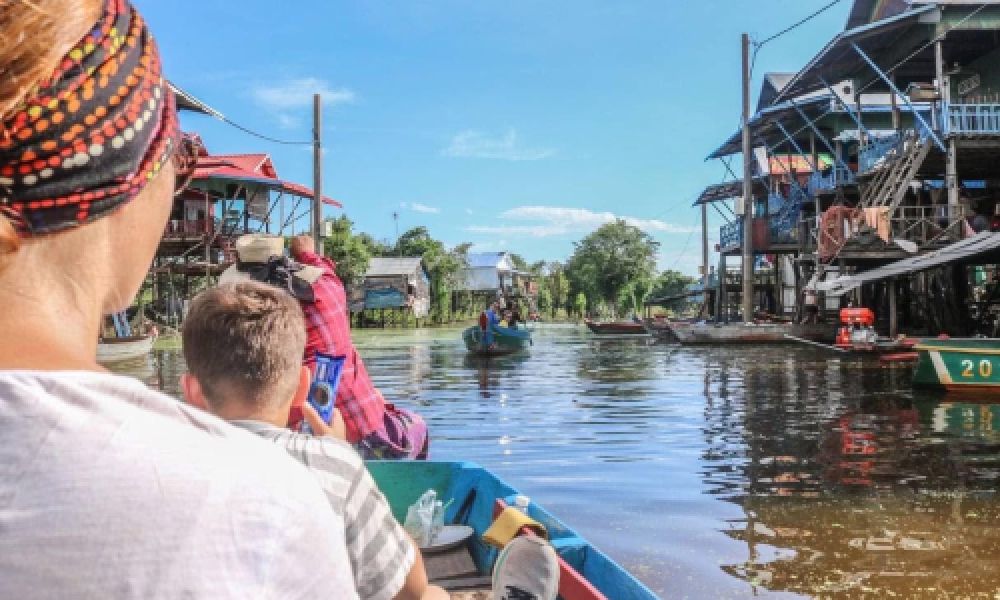
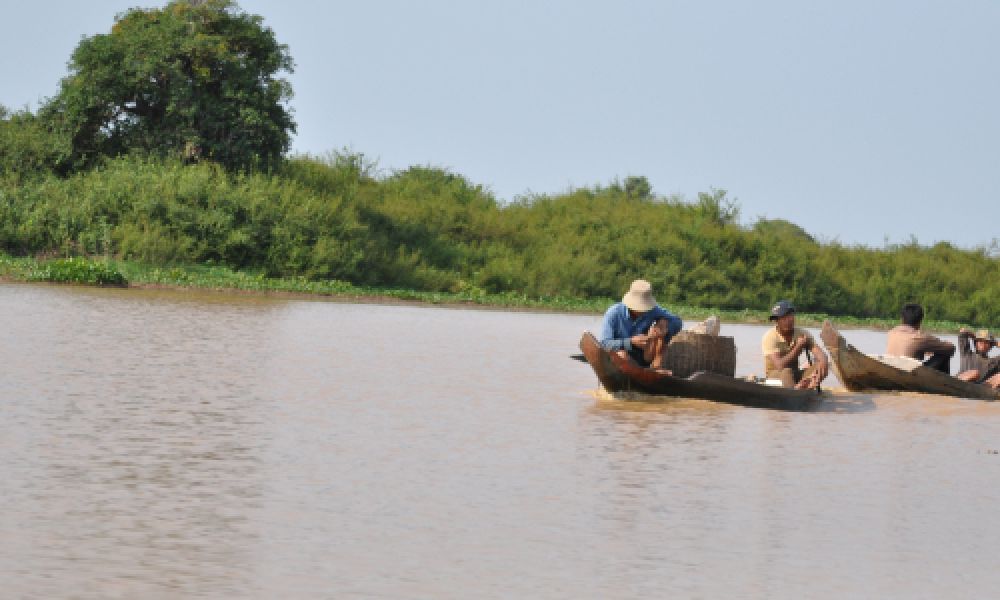
Kampong Phluk (Khmer: កំពង់ភ្លុក) is a commune in Prasat Bakong District in Siem Reap Province Cambodia. The name means "Harbor of the Tusks". The community largely depends on fishing for survival, primarily shrimp, spending Cambodia's wet season (May–October) fishing.
Many houses and buildings are constructed on stilts ranging from 6 m to 9 m to accommodate the changes in water level between wet and dry seasons.
How pupils go to school in Kampong Phluk
During the dry season (November–April) as the river thins due to receding water, many turn to farming to supplement their income. Tourism, which started in the village approximately 10 years ago, is also a growing part of the local economy.
As of 2019, the commune has 911 families with a total population of 3,707. The commune consist of three villages: Tnaot Kambot (ត្នោតកំបុត), Dey Krahom (ដីក្រហម), and Kok Kdol (គោគក្ដុល).